
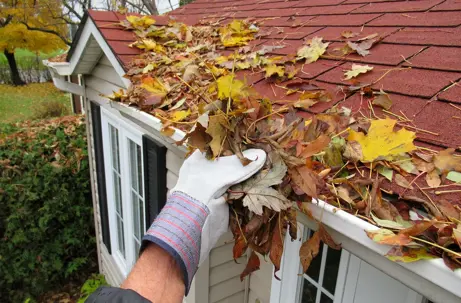
When leaves begin falling each autumn, most homeowners focus on raking the yard. The roof often gets overlooked until gutters overflow or a leak appears during the first winter storm. By then, what seemed like a harmless layer of leaves may have already created conditions that allow moisture to linger where it shouldn't.
Every fall, roofing professionals see the same pattern. Wet leaves collect in roof valleys, gutters, and around roof penetrations, trapping moisture against roofing materials just as temperatures begin to drop. Over time, that combination can accelerate shingle wear, contribute to leaks, and shorten the life of the entire roofing system.
Understanding how fallen leaves affect your roof can help you prevent costly repairs before winter weather arrives.
Why Leaves Are More Than Just Seasonal Debris
A few scattered leaves aren't a problem. Trouble begins when they accumulate and remain on the roof for weeks.
Leaves naturally absorb and retain water. Instead of allowing rainwater to flow quickly off the roof, they create damp pockets that keep shingles wet long after the rest of the roof has dried.
Certain areas are especially vulnerable, including:
- Roof valleys
- Around chimneys
- Near skylights
- Around plumbing vents
- Behind dormers
- Along roof edges
These are already locations where water naturally collects. Adding a layer of wet leaves slows drainage even further and increases the amount of time moisture stays against the roofing surface.
On flat and low-slope commercial roofs, the issue can become even more serious. Leaves often wash toward roof drains, where they combine with twigs and other debris to block drainage. Water that has nowhere to go begins pooling on the roof, placing additional stress on roofing membranes, seams, and flashing.
How Wet Leaves Lead to Roof Damage
The leaves themselves don't damage shingles. The problem is the moisture they hold.
When roofing materials remain wet for extended periods, several types of deterioration can begin.
Granule Loss
Asphalt shingles are coated with mineral granules that protect the asphalt beneath from sunlight and weather.
Prolonged moisture gradually weakens the asphalt binder that holds those granules in place. As granules loosen, shingles become more vulnerable to cracking, curling, and premature aging.
Moisture Beneath the Shingles
Once shingles begin deteriorating, water has an easier path beneath the roofing surface.
Moisture can eventually reach the underlayment and roof decking, where it may contribute to wood rot, mold growth, or corrosion around fasteners.
These problems often develop slowly, long before stains appear inside the home.
Moss and Algae Growth
Leaf piles create cool, damp environments that moss and algae thrive in.
Once established, moss traps even more moisture against shingles while slowly working beneath their edges. This creates another cycle of prolonged dampness that accelerates roof deterioration.
Why Fall Weather Makes the Problem Worse
Autumn creates nearly perfect conditions for leaf-related roofing issues.
Leaves are falling just as rainfall becomes more frequent and temperatures begin dropping. Roofs spend longer periods damp between storms, especially in shaded areas.
As winter approaches, freeze-thaw cycles add another challenge.
Water trapped beneath leaf piles freezes overnight, expands, then melts as temperatures rise during the day. Repeating this cycle over and over gradually widens small gaps around shingles and flashing.
Over time, what started as a minor maintenance issue can become a pathway for water intrusion.
The Connection Between Leaves and Ice Dams
Many homeowners don't realize that fall maintenance directly affects winter roof performance.
When gutters become clogged with leaves, melting snow has nowhere to drain.
Instead, water backs up along the roof edge where colder temperatures cause it to refreeze.
This process creates ice dams.
As additional snow melts, water collects behind the ice instead of flowing off the roof. Eventually it can work underneath shingles and seep into the roofing system.
Preventing ice dams often begins months earlier by keeping gutters and roof drainage pathways clear before freezing temperatures arrive.
Warning Signs Your Roof Needs Attention
You don't have to climb onto your roof to identify potential problems.
Watch for these warning signs throughout the fall season:
- Water spilling over gutter edges during rain
- Gutters filled with leaves or pine needles
- Visible leaf piles in roof valleys
- Dark staining on fascia boards
- Sagging gutters
- Moss beginning to develop near shaded areas
Inside your home, additional warning signs include:
- Ceiling stains
- Damp attic insulation
- Musty odors
- Soft roof decking visible from the attic
- Rust on roofing fasteners
These symptoms suggest moisture may already be affecting the roofing system.
Simple Maintenance That Makes a Big Difference
Most leaf-related roofing problems are preventable with routine seasonal maintenance.
Clean Gutters Before Winter
Removing leaves from gutters and downspouts allows rainwater and snowmelt to drain properly.
Homes surrounded by mature trees may require more than one cleaning during the fall.
Remove Roof Debris
Leaves that collect in valleys or behind roof features should be removed before they begin holding moisture against the shingles.
Gentle removal is important. Avoid scraping or pressure washing roofing materials, as both can damage protective granules.
Trim Overhanging Branches
Trees provide valuable shade during summer, but branches directly above the roof continually drop leaves, needles, and small twigs.
Pruning branches also improves airflow and allows roofing materials to dry more quickly after storms.
Schedule a Fall Roof Inspection
A professional roof inspection can identify problems that aren't visible from the ground.
During an inspection, roofing contractors evaluate:
- Shingle condition
- Flashing
- Roof valleys
- Gutters
- Ventilation
- Drainage patterns
- Signs of hidden moisture damage
Finding small issues before winter often prevents much larger repairs later.
When Seasonal Maintenance Isn't Enough
Sometimes, leaf removal uncovers more significant roofing concerns.
If an inspection reveals widespread granule loss, cracked shingles, deteriorated flashing, soft roof decking, or repeated moisture intrusion, cleaning alone won't solve the problem.
Older roofs that have experienced years of moisture exposure may require more extensive repairs—or in some cases, replacement.
A full roof evaluation helps determine whether isolated repairs are still practical or whether investing in a new roofing system makes better long-term sense.
Rather than focusing on one damaged area, contractors examine how the entire roofing system works together, including underlayment, ventilation, drainage, and flashing.
Stay Ahead of Winter Roofing Problems
Leaves may seem like a minor part of fall maintenance, but they can create conditions that lead to much larger roofing problems if they're left in place through the wet season.
Regular gutter cleaning, debris removal, and roof inspections help reduce moisture buildup, improve drainage, and catch small issues before freezing temperatures make them worse.
If your roof has accumulated heavy leaf debris, your gutters are overflowing, or you've noticed signs of water damage, now is the time to have it evaluated. Apex Roofing provides free, no-obligation roof inspections and estimates to help homeowners understand their roof's condition before winter weather arrives.
Not sure whether your roof needs repairs or replacement? Schedule an inspection with Apex Roofing by calling (877) 939-9866 or sending us a message online.