
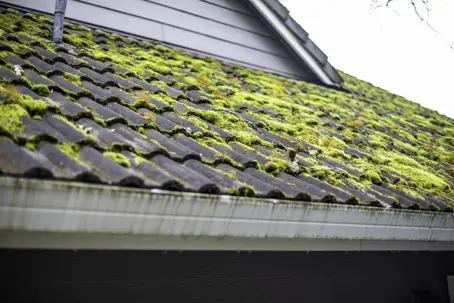
You scrub it off, treat it, and watch your shingles look clean again. Then winter arrives, the snow melts, and the green patches are back. After a few seasons of repeating the same routine, it's natural to wonder whether you're doing something wrong—or whether there's something about your roof that's encouraging moss to return.
The truth is, recurring moss isn't usually caused by poor maintenance. It's the result of how moss grows, how your local climate affects roofing materials, and how moisture moves across your roof. Once you understand those factors, the problem becomes much easier to manage.
Here's why moss keeps coming back—and what you can realistically do to slow it down.
Why Moss Comes Back Even After You Remove It
Many homeowners assume that once the visible moss is gone, the problem has been solved. Unfortunately, moss is much more resilient than it appears.
Unlike flowering plants, moss doesn't rely on deep roots. Instead, it anchors itself to rough surfaces using tiny thread-like structures called rhizoids. These grip the surface of asphalt shingles and remain attached even after the green growth has been brushed away.
That means a roof can look perfectly clean while microscopic pieces of moss are still attached to the shingles. Once moisture returns, those remaining structures begin growing again.
Moss also reproduces by releasing lightweight spores into the air. Those spores travel easily between trees, neighboring roofs, and landscaped areas, settling wherever conditions are favorable. Even if you completely remove one patch, new spores are constantly landing on your roof.
Another reason homeowners mistake moss for a new problem is that it doesn't always stay green. During hot, dry weather, moss often goes dormant and turns brown. It may appear dead throughout summer, only to become lush and green again after cooler temperatures and fall rain return.
Why Certain Roofs Develop More Moss Than Others
Not every roof provides the same environment for moss growth.
Moss thrives wherever moisture lingers, and several conditions make that more likely.
Shade
Roofs shaded by mature trees dry much more slowly after rainfall. North-facing slopes are especially vulnerable because they receive less direct sunlight throughout the day.
Poor Air Circulation
Dense tree canopies and tightly spaced homes reduce airflow around the roof. Without good ventilation, damp shingles remain wet longer after storms.
Organic Debris
Leaves, pine needles, and small branches trap moisture against the roofing surface. Over time, they create ideal growing conditions for moss while preventing the roof from drying naturally.
Roof Design
Roof valleys, dormers, skylights, and chimney intersections naturally collect water and debris. These areas often become the first places where moss begins to establish itself.
Even relatively new roofs can develop moss if these conditions remain unchanged.
Why Climate Plays Such a Big Role
Inland Northwest homeowners often assume moss is only a coastal problem. While coastal regions receive more annual rainfall, the local climate still provides excellent conditions for moss.
Rain becomes more frequent in the fall just as temperatures begin cooling. Winter snow keeps roofs damp for extended periods, and shaded areas may stay wet long after storms have passed.
The freeze-thaw cycle creates another challenge.
Water trapped beneath moss freezes overnight, expands, then melts during warmer daytime temperatures. This repeated expansion and contraction gradually stresses roofing materials, particularly older asphalt shingles.
The result isn't immediate failure but steady wear that shortens the roof's lifespan over many seasons.
What Moss Actually Does to Your Roof
Some homeowners view moss as little more than a cosmetic issue. While small patches may not immediately cause leaks, allowing moss to remain year after year can lead to several roofing problems.
It Keeps Shingles Wet
Healthy roofing materials are designed to shed water quickly.
Moss behaves like a sponge, holding moisture against the surface long after surrounding shingles have dried. Constant moisture accelerates the aging process of asphalt shingles.
It Speeds Up Granule Loss
The mineral granules covering asphalt shingles protect them from ultraviolet rays and weather exposure.
As moss traps moisture against the surface, the asphalt binder gradually weakens. Over time, granules loosen and wash away, leaving the shingles more vulnerable to sun damage and deterioration.
Once significant granule loss occurs, shingles begin aging much faster.
It Can Lift Shingle Edges
As moss becomes thicker, it often spreads beneath the edges of shingle tabs.
This growth can gently lift shingles over time, creating small openings where wind-driven rain and melting snow can work underneath the roofing system.
While moss doesn't directly create leaks overnight, it increases opportunities for water intrusion when combined with aging materials or stormy weather.
It Contributes to Gutter Problems
Moss rarely stays on the roof forever.
During heavy rain or snowmelt, loose pieces wash into gutters alongside leaves and pine needles. This debris can clog gutters and downspouts, preventing proper drainage.
Overflowing gutters then keep the roof edge wet, encouraging even more moss growth around the eaves.
Why Cleaning Alone Often Isn't Enough
Many homeowners respond to recurring moss by cleaning the roof every year.
While routine maintenance certainly helps, cleaning only addresses the symptom—not the conditions that allowed moss to grow in the first place.
If the roof remains shaded, poorly ventilated, and covered with organic debris, moss will almost always return.
That's why successful moss prevention usually combines several maintenance practices instead of relying on cleaning alone.
Practical Ways to Slow Moss Growth
Although eliminating moss completely isn't realistic in many climates, you can significantly reduce how quickly it returns.
Trim Overhanging Trees
Allowing more sunlight onto the roof is one of the most effective long-term improvements.
Pruning branches also improves airflow, helping roofing materials dry faster after rain and snow.
Remove Debris Regularly
Leaves, pine needles, and twigs should be removed before they begin holding moisture against the roof surface.
Pay particular attention to:
- Roof valleys
- Around chimneys
- Behind skylights
- Along roof edges
- Gutters and downspouts
Keeping these areas clear improves drainage and reduces moisture retention.
Keep Gutters Flowing
Clogged gutters allow water to back up onto the roof edge.
Cleaning gutters each fall—and more frequently if your property has mature trees—helps water move away from the roof instead of collecting around vulnerable areas.
Consider Zinc or Copper Strips
Many roofing professionals install zinc or copper strips just below the ridge cap.
Each time it rains, tiny amounts of these metals wash down the roof surface, creating conditions that discourage moss and algae growth.
These strips aren't an instant solution, but they can slow regrowth as part of a broader maintenance plan.
When Moss Is Telling You Something Bigger
Recurring moss isn't always the primary problem.
Sometimes it's simply revealing that the roof is beginning to age.
If you notice moss along with any of these issues, it's worth scheduling a professional inspection:
- Large areas of granule loss
- Curling or cracked shingles
- Lifted shingle tabs
- Soft spots in the roof deck
- Interior water stains
- Persistent attic moisture
- Sagging roof sections
In these situations, removing moss won't solve the underlying issue because the roofing system itself may already be deteriorating.
An inspection can determine whether maintenance is still worthwhile or whether replacement should be part of your long-term planning.
The Importance of Looking Beyond the Moss
A professional roof evaluation involves much more than checking for green patches.
Roofing contractors also assess:
- Overall shingle condition
- Flashing around penetrations
- Roof ventilation
- Attic moisture levels
- Underlayment performance
- Drainage patterns
- Signs of hidden water intrusion
These factors often explain why moss keeps returning to certain areas while leaving others unaffected.
Addressing moisture movement and ventilation can reduce future moss problems far more effectively than repeated cleaning alone.
Know When It's Time for Professional Guidance
Moss doesn't always mean your roof needs replacing, but it shouldn't be ignored either.
On a relatively young roof, recurring moss often signals that drainage, shade, or maintenance practices need improvement. On an older roof showing widespread wear, moss may simply be highlighting areas where the roofing system has reached the end of its service life.
The sooner those issues are identified, the more options you'll have.
If you're unsure whether your roof needs another cleaning or a more thorough evaluation, a professional inspection can provide clear answers. Apex Roofing offers free, no-obligation roof inspections and estimates to help homeowners understand the condition of their roofing system and recommend the most practical next steps.
To schedule a visit, contact Apex Roofing at (877) 939-9866 or send us a message.